For my first trip for this website, I chose to travel to Bristol—a city that has always meant a great deal to me. I studied Law here in the noughties, and it felt only right to return, not just as a visitor, but as someone retracing old footsteps with fresh eyes.
The night before, I stayed in a Travelodge in my childhood town of Swindon. Swindon often bears the brunt of easy criticism—dismissed as one of those “new towns” without culture or character. But this criticism is not always fair. Yes, parts of the town have seen better days, but look a little closer and you’ll find echoes of its industrial heyday still lingering. Chief among them is the ever-reliable Swindon Designer Outlet, where bargain hunters can still unearth a good deal amid the old railway works that hint at the town’s industrious past. Similarly, the Health Hydro in the centre is a Victorian swimming pool built for railway workers, and it is always worth a visit. Unfortunately, I did not have time for a swim on this occasion—maybe next time.
I boarded a train from Swindon to Bristol Temple Meads, travelling along the Great Western Main Line, the historic route engineered by Isambard Kingdom Brunel. Under normal circumstances, the journey takes around thirty minutes—a brief hop across the West Country. But, as has become all too familiar with modern rail travel, delays crept in, stretching the trip closer to an hour.
Still, I found I didn’t mind. The train slips through some of the most enchanting towns and countryside in the country—past honey-coloured stone, rolling green fields, and the elegant curves of Bath Spa—making it the kind of journey that invites you to simply gaze out of the window and drift into long, unhurried daydreams.
As the landscape unfurled, I found myself pulled back in time. When I was younger, I would cycle from Bath to Bristol along the old canal path. Watching it now from the quiet comfort of the train, it felt strangely intimate to revisit those miles—imagining the ghost of my former self tearing along the track on a mountain bike.
Temple Meads Station itself is a station built in the Victorian era in a gothic revival style. On arrival, you are greeted by a striking juxtaposition of old and new. The historic station contrasts with the polished buildings of the Temple Quays business district, which runs along the river. Although the area is impressive, I have never been one to admire office buildings, and I hurried through to reach my first stop: Castle Park.
Castle Park is a large green space in central Bristol, set along the river. It occupies an area that was extensively bombed by the Luftwaffe during the Second World War, a history reflected in the ruins of St Peter’s Church, which stand at the park’s centre. The park also contains the remnants of Bristol Castle, dating back to the 11th century, which was once among the largest Norman castles in Europe. On a summers day the park offers a break from shopping in the nearby Cabot Circus centre and a chance to relax and catch-up with friends in a relatively quiet setting.
I stopped at an arthouse cinema, the Watershed, and watched the boats glide past from its terrace. It’s a welcoming spot, frequented by professionals and creative types alike—one of those places where you can comfortably read or write over a warm cuppa and a slice of homemade cake.
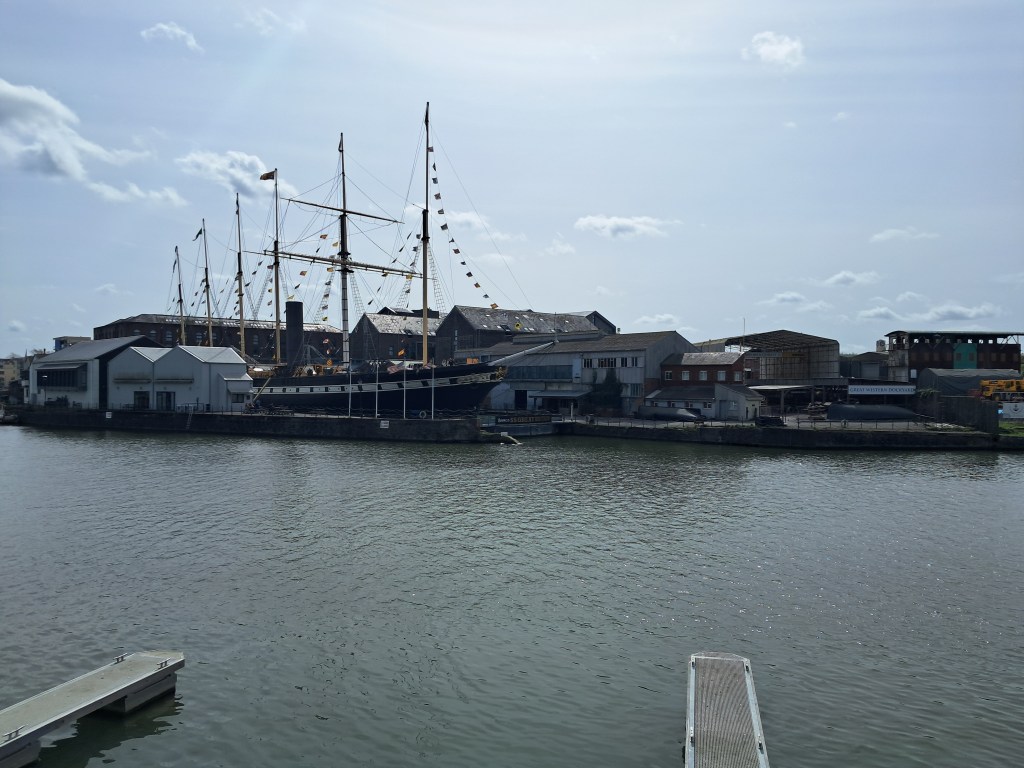
Refreshed with coffee and cake, I set off along the riverside towards the Clifton Suspension Bridge. On a fine day, the path is alive with activity—boats drifting by, joggers keeping pace, and walkers soaking in the views—making for an invigorating stroll.
About halfway along, you come across the SS Great Britain, another of Isambard Kingdom Brunel’s remarkable designs. Launched in 1843, it was the largest passenger ship in the world for nearly a decade.
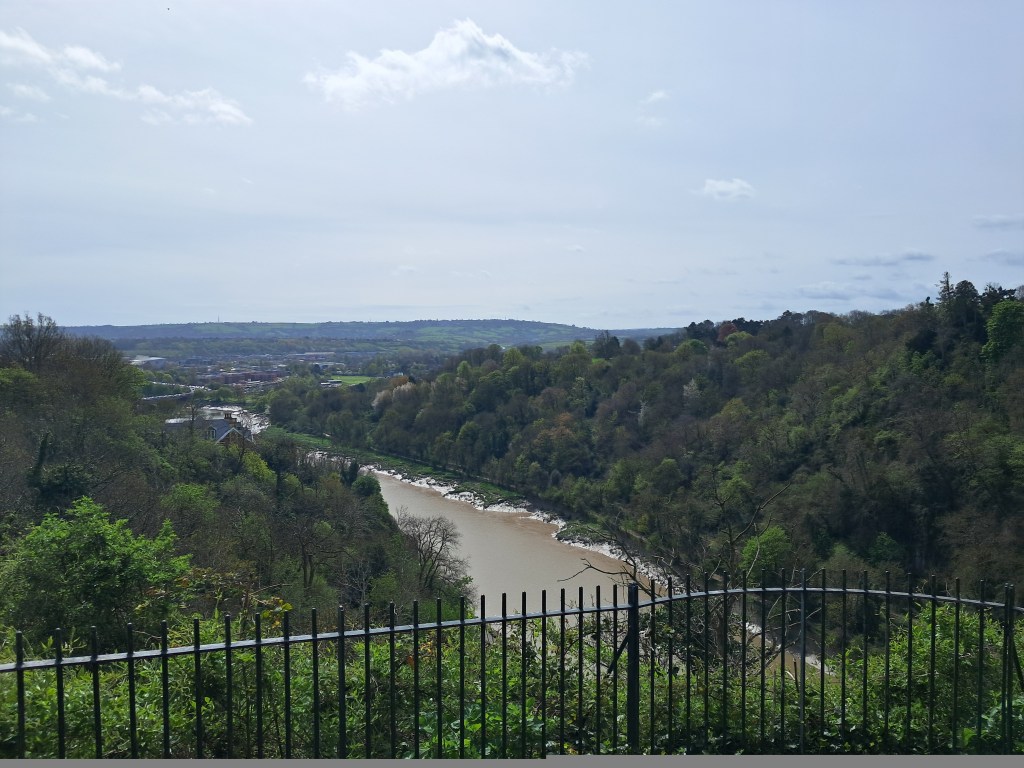
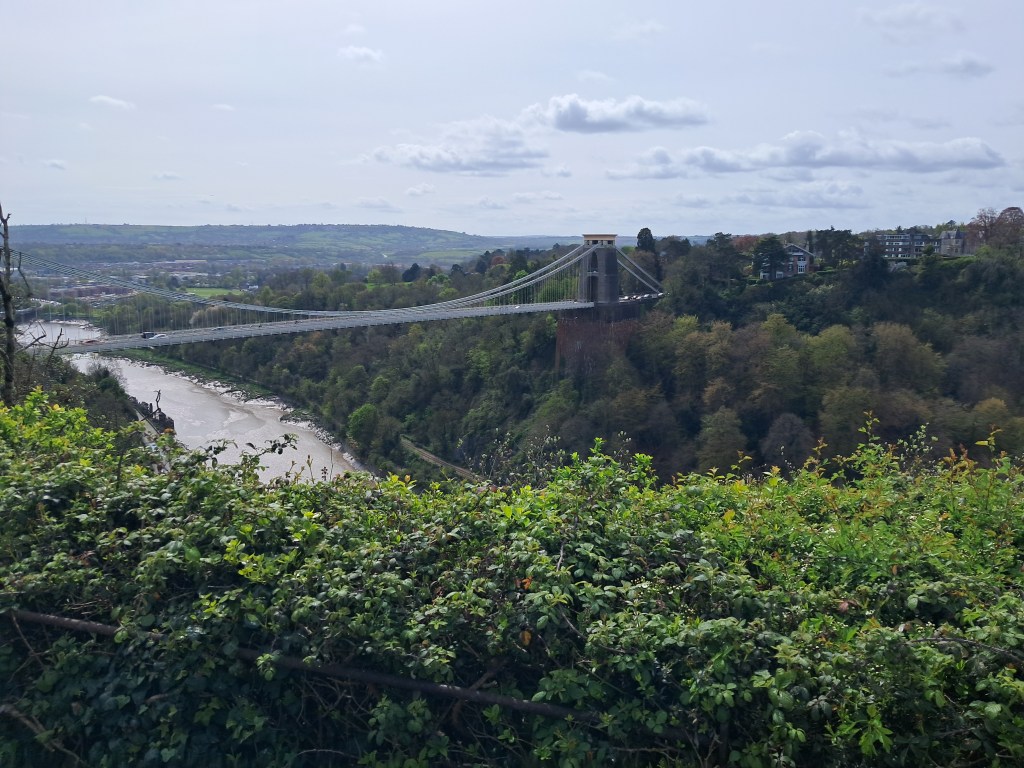
After around forty-five minutes of walking, the route begins to climb, lined with elegant Georgian buildings. Continue a little further, and you are rewarded with the sight of the spectacular Clifton Suspension Bridge, spanning the Avon Gorge in dramatic fashion.
 The Curious Wanderer